Showing posts with label Brazilian Recipes. Show all posts

Wednesday, September 14, 2011

Acarajé Recipe

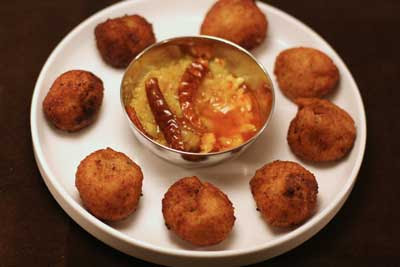
AcarajéThe first time that I tried acarajé was at the airport in Salvador, Bahia (located on Brazil's central coast region). 3 ladies wearing traditional Bahian attire (see below) were sitting just outside of the terminal in a make-shift kitchen consisting of a couple of large metal pots, a butane burner and a few coolers. They recommended their acarajé, a specialty of the region. These deep-fried cakes consisting of mashed beans, shrimp, and spices were so good that I found myself ordering them throughout my stay in Salvador. This is a simple recipe. You can form acarajé as cakes or balls depending on your preferred serving size.bahia - acaraje vendor

Recommended Equipment:
food processor or blender

Ingredients:
1 15oz. can navy beans, drained
1/2 yellow onion, diced
1 Serrano pepper, diced
1 cup of fresh shrimp, chopped
1/2 tspn salt
1/2 tspn black pepper
3 tbsp manioc or tapioca flour
oil for frying

dipping sauce:
3 tbsp olive oil
3 shrimp. finely diced
1/2 yellow onion, finely diced
2 to 3 dried hot peppers
3 tbsp dendê oil (palm oil)
1/4 tspn salt

Preparation:
  1. Place the beans, onion, Serrano pepper and shrimp into a food processor and pulse to form a smooth paste.
  2. Add salt, pepper, and flour and mix the ingredients until they are well combined.
  3. In a medium saucepan, heat the oil for deep frying.
  4. While the oil heats up, form the acarajé using your hands. You can form them as balls or paddies - it's up to you. You can even garnish them with small dried shrimp pressed into the pattie if you prefer.
  5. Serve hot with dipping sauce.
dipping sauce:
  1. In a skillet, heat the olive oil over medium heat.
  2. Add the shrimp, onions, and hot peppers.
  3. When the onions become clear and translucent, add the dendê oil and salt to the skillet and reduce the heat to simmer.
  4. Serve when all of the acarajé are ready.
Brazilian flag Brasil [ print this recipe ]

Wednesday, August 31, 2011

São Paulo Style Portuguese Pizza Recipe

São Paulo is famous for its pizza and Portuguese Pizza is one of the many popular varieties served throughout Brazil's largest city. Try it with an ice-cold chopp (pilsner).


Ingredients:

Neapolitan pizza crusts

1 14oz. can tomato sauce

fresh scamorza or mozzarella cheese, shredded

1 hard boiled egg, sliced

ham, thinly sliced

1 yellow onion, sliced

black olives, sliced

oregano

fresh ground black pepper, to taste


Preparation:

  1. Place pizza stone in the oven.
  2. Preheat oven to 500 degrees Fahrenheit.
  3. Form a thin round pizza crust.
  4. Top with a thin layer of tomato sauce.
  5. Lightly sprinkle some shredded scamorza or mozzarella cheese onto the pizza.
  6. Next, top with ham, hard boiled egg, onion, olives, oregano, and black pepper.
  7. Slide the pizza into the oven on top of the pizza stone.
  8. Bake for 9 to 10 minutes until pizza crust is golden brown.
Brazilian flag Brasil [ print this recipe ]


Thursday, July 28, 2011

Bauru Recipe

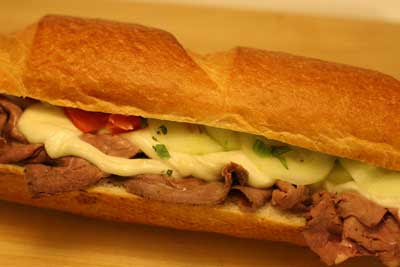
Bauru sandwichThe Baura gets its name from the Brazilian city, Baura located in the state of São Paulo. It was first served at the Ponto Chic Restaurant in the 1930s. Like most popular sandwiches, many variations of the Baura have been developed over the years. The sandwich is usually served on French bread with roast beef, some type of melting cheese, and usually tomatoes. This recipe also includes pickled cucumbers for added flavor.

Ingredients:
French bread
1/4 pound of freshly cut roast beef
4 slices tomato
4 slices mozzarella cheese
1/2 cup vinegar
1/2 cup sugar
1 cucumber, sliced
oregano to taste
Kosher salt to taste

Preparation:
  1. The night before you make this sandwich, mix the vinegar with the sugar. Combine this mixture with the sliced cucumber in an air-tight container and refrigerate overnight. You can use these pickled cucumbers when you make the Bauru.
  2. Cut the French bread lengthwise and remove the soft inner bread.
  3. Layer the roast beef on the bottom piece of the French bread.
  4. Dust the roast beef lightly with salt and oregano.
  5. Place the slices of tomato on top of the roast beef followed by the pickled cucumber slices.
  6. Top with melted mozzarella cheese and the top piece of the French bread.
Bandeira do Brasil Brasil

Wednesday, July 20, 2011

Watermelon Caipirinha Recipe

watermelon caipirinhaWatermelon caipirinhas are cocktails that were made for summer. The sweet, refreshing taste of watermelon, the tart lime juice, with the punch of cachaça create a perfect drink. Here in the States, cachaça used to be very difficult to find. Recently, however, brands such as Leblon, Cabana, Pitu, 51, Água Luca, and Beleza Pura are making this South American spirit easier to obtain. So there is no reason not to try watermelon caipirinhas. In fact, after you purchase your cachaça you can also try the traditional Caipirinha and the Batida de Maça.

Recommended Equipment:
cocktail shaker
food processor or blender

Ingredients:
2 tspn sugar
1/2 lime, cut into quarters
1 cup of watermelon pieces, seeds removed
1 shot of cachaça

Preparation:
  1. Put the watermelon pieces into a blender or food processor and puree.
  2. Muddle the pieces of lime with the sugar at the bottom of the shaker using a wooden spoon.
  3. Add the cachaça and the watermelon puree to the shaker along with crushed ice.
  4. Shake until your arm hurts and then strain into your favorite cocktail glass.
Brasil

Friday, May 6, 2011

Mother's Day Cake Recipe

mothers day cakeMother's Day is a holiday that always seems to arrive unexpectedly and leaves me scrambling to find a gift and card at the last possible moment. The majority of people end up buying flowers for their Mom and sadly, I am no exception.

This year, however, I marked the date on my calendar and I was able to do a little advanced preparation for Mom's big day. In a break from tradition, I decided to bake Mom a cake and I bought all of the necessary ingredients ahead of time. I decided to make Torte de Mamae (Mother's Day Cake in Portuguese) a recipe that I came across while visiting Brazil.

I was intrigued by the fact that Mother's Day was so popular in Brazil to have a standard recipe for the occasion. So I decided to do a little research into the origins of the Mother's Day and how the tradition of celebrating Mother's Day came to be.

The earliest observance of Mother's day comes from the ancient Greek celebration at the festival to Cybele, the great mother of Greek gods. This festival was usually held around March 15th around the Ides of March. The tradition later spread to other parts of Europe and became known as Mothering Sunday. It was set on a specific Sunday that usually corresponded with the 4th Sunday in Lent to honor the Virgin Mary. Children were given the day off from school to spend with their families. They would pick flowers to put in the church and also to give to their mothers.

In the United States, a feminist named Julia Ward Howe wrote the Mother's Day Proclamation in 1870. This proclamation was influenced by the carnage of the Franco-Prussian War and also by the American Civil War and the assertion that women should have a leading role in shaping political action. Mother's Day was first officially celebrated in the United States in 1908 in Grafton, West Virginia. It was also in this small town that Anna Jarvis trademarked the phrase, "Second Sunday in May" and "Mother's Day." She was very specific about the location of the apostrophe so that the word mother was singular possessive so that the day was meant for each family would honor their mother and not plural possessive honoring all mothers of the World.

Ingredients - cake:
3 cups sugar
1 1/2 cups unsalted butter, room temperature
6 egg yolks, beaten
10 egg whites, beaten
1 1/4 cup coconut milk
3/4 cup whole milk
4 cups all-purpose flour
2 tspn baking powder
butter cream icing

Ingredients - pineapple sauce:
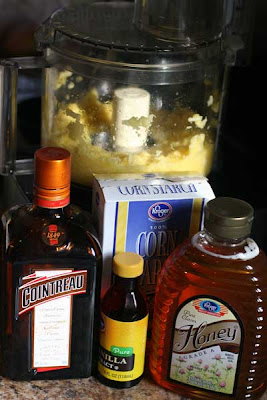
4 cups fresh pineapple
1/4 cup honey
1 tbsp Cointreau
1 tbsp corn starch
1 tspn vanilla extract
pineapple sauce ingredients

Preparation - cake:
  1. Butter and lightly flour 3 9-inch round cake pans.
  2. Preheat oven to 350 degrees Fahrenheit.
  3. Using a mixer, cream the butter and sugar.
  4. Mix in the egg yolks 2 at a time and beat well.
  5. In a separate bowl, mix together the milk and coconut milk.
  6. In another bowl, mix together the flour and baking powder.
  7. Alternate adding the mixture from step #3 and step #4 to the mixer until all of the ingredients are well combined into a batter.
  8. Fold in the egg whites and mix thoroughly.
  9. Pour batter evenly into the three cake pans.
  10. Bake for 50 minutes to an hour. Stick a form into the top of the cake to test if it is done. If the fork comes out clean it is done.
  11. Remove cakes from the oven and let them cool completely.
Preparation - pineapple sauce:
  1. Put pineapple in a food processor and pulse several times until pineapple forms a paste with small chunks of pineapple.
  2. Put the pineapple along with the other ingredients into a saucepan. Over medium heat, bring the mixture to a boil and then reduce heat to simmer.
  3. Stir constantly until the sauce thickens.
  4. Remove saucepan from heat and let it cool.
Assembling the cake:
  1. If you need to make the top of any of the cakes level, use a serrated knife to cut off any uneven sections. If you do this, put the bottom side up as this will make it easier to add frosting or sauce to the surface of the cake.
  2. Place the bottom layer on a cake dish. Top it with a layer of the pineapple sauce.
  3. Place the middle layer on top of the bottom layer. Top this with the pineapple sauce.
  4. Place the top layer on top of the middle layer. Apply butter cream frosting to the top and sides of the cake.
Brazil flag Brasil

Saturday, April 30, 2011

Slow Fish Challenge: Baked Trout with Creme Sauce(Truta Cremosa)

Trout CremosaThe Slow Fish Movement is part of the larger Slow Food Movement. Slow Food is everything that fast food is not. It is slow in the making and in the eating. It is fresh and not processed. It comes from neighborhood farms and stores. It is dedicated to traditional ways of growing, producing, and preparing food.

The Slow Fish Movement promotes artisanal fishing and neglected fish species. It inspires reflection on the state of the Seas' resources by adhering to guidelines that foster sustainability and environmental responsibility. Most importantly, Slow Fish provides guidelines that consumers of seafood can follow to promote sustainability. These include:
  • Buy less well-known species of fish and avoid buying salmon, striped catfish, tuna, cod, swordfish and farm raised shrimp. The less well-known species are less expensive and just as delicious. These species are easy to find. There are over 25,000 edible species but we only eat about 15. To learn more about these alternatives, visit the Monterey Bay Aquarium website and SeaChoice.
  • Buy fish that are in season. This is the best time to buy fish because this is when they are not reproducing.
  • Buy local fish. This helps to reduce pollution that occurs from transporting fish over long distances. Local fish will also be fresher and taste better.
  • Respect local traditions. For example, traditional recipes for fresh soup use different fish depending on what is in season.
  • Buy 1 medium to large fish (2 to 5 Kg) if you are cooking for a group of people.
In general, we should eat fish that are local, adult, seasonal, and have a short life cycle. It is important to find out how the fish was caught or farmed. These methods should not destroy ecosystems or deplete stocks. Finally, we should be aware of labels. These should list the name of the species, list the location from where the fish came, and it should indicate how it was caught and processed.

The Slow Fish Website is currently conducting the Slow Fish Challenge in which visitors to the site are encouraged to put together a dinner that features fish that adhere to the guidelines described above. We decided to have a family dinner that featured locally caught rainbow trout along with as many local ingredients as possible.
slow fish challenge
Our first stop for ingredients in the Slow Fish Challenge was at the Clifton Mill in Clifton, Ohio. Here we picked up the flour that we needed to make the roux for the creme sauce. The Clifton Mill is one of the largest water powered grist mills still in existence. It sits at the top of the Clifton Gorge and benefits from the natural hydraulic power of mass amounts of water being channeled into the gorge.

At one time, the United States had over 100,000 mills in operation. Now there are less than 100 mills that are operating and still in their original condition. You can learn more about the history of these mills at the Clifton Mill website and also at the Society for the Preservation of Old Mills website.
Clifton Mill clifton gorge

Young's Dairy is our second stop for ingredients in the Slow Fish Challenge. It was founded in the late 1940s when Hap Young bought this 60 acre farm. Over the years, it has grown into a family friendly destination complete with two restaurants, a miniature golf course called Putters and Utters, a bakery, an ice cream parlor, and a petting zoo. Young's Dairy still maintains its own herd of dairy cows and sells fresh milk daily. They also produce a wide assortment of cheeses. We purchased a roll of butter made from Young's Jersey cow milk and salt. We used this to make the creme sauce for the rainbow trout.

Youngs Dairy

Our final stop for ingredients for the Slow Fish Challenge was at Freshwater Farms in Urbana, Ohio. Freshwater Farms is Ohio's largest indoor fish hatchery. They raise large-mouth bass, bluegill, yellow perch, and channel catfish. Like Young's Dairy, this establishment is also very family friendly with tours, trout feeding, and a sturgeon petting zoo. They have a market that sells fresh and smoked trout fillets, caviar, and locally made jellies, jams, honey, and maple syrup.

Here is the recipe that we used for the Slow Fish Challenge: Truta Cremosa (Trout with Creme)

Ingredients:
4 Rainbow Trout fillets
1 medium yellow onion, diced
1 carrot, finely diced
1 rib of celery, diced
1/4 cup dry white wine
juice from 1/2 lemon
2 tbsp fresh flat leaf parsley, diced
1/2 package of bacon, diced
1 tspn sage
salt and pepper to taste
1/2 cup Parmesan cheese, grated
1/2 cup Italian bread crumbs
1 tbsp butter
1 tbsp flour
1 pint of heavy whipping cream
1/4 cup whole milk
1 tspn Cayenne pepper

Preparation:
  1. Preheat the oven to 350 degrees Fahrenheit.
  2. Coat a baking dish with olive oil and place the trout fillets in the pan skin side down. Be sure to pat any extra moisture from the fish before placing them in the dish. Lightly season the fillets with salt, pepper, and lemon juice.
  3. In a skillet over medium heat, brown the bacon. Remove the bacon from the skillet and save for later. Drain off 3/4 of the fat/oil that remains in the skillet.
  4. With the skillet still over the medium heat, add the onions, celery, and carrots. Cook for about 5 minutes and then add the wine. Continue cooking until the vegetables reduce to a thick consistency.
  5. Remove vegetable mixture from the heat and spoon it evenly over the trout fillets.
  6. Top the fillets evenly with the parsley and sage.
  7. Place the baking dish in the oven and bake for 30 to 40 minutes. The trout is done when it easily flakes with a fork.
  8. While the fish bakes, make a white roux by mixing the butter and flour together in a skillet over medium heat. Stir continuously until the mixture turns light brown.
  9. Add the whipping cream, milk, and Cayenne pepper to the skillet and stir until the mixture begins to thicken. Then add the Parmesan cheese to the skillet and stir until the cheese has melted.
  10. Remove the baking dish from the oven and top the fillets with browned bacon bits.
  11. Pour the creme evenly over the trout and then top it with the Italian bread crumbs.
  12. Serve hot.
Brazilian flag Brasil

Wednesday, March 9, 2011

Batida de Maça

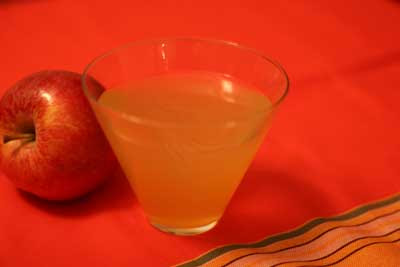
batida de maca (apple cocktail)Batida de Maça is a popular drink in Salvador, in Brazil's Bahia state during carnival. If you didn't already know, carnival is the huge celebration in Brazil leading up to Ash Wednesday and the beginning of Lent. Carnival is a little different depending on which part of Brazil you are visiting.
Rio is famous for its Samba Parade at the Sambadrommo and its many samba schools. In Salvador, carnival is just as famous with a rich history. You can read about it at the Carnival Brazil site. Regardless of where you celebrate it, be sure to have your share of batida de maças and other types of "batidas" or cocktails.

Recommended Equipment:
shaker

Ingredients:
1/2 cup cachaça
1 cup apple cider
juice of 1 lime
1 tbsp sugar
crushed ice

Preparation:
  1. Add all of the ingredients to the shaker.
  2. Shake until your arm hurts and serve.
Related Posts / Recipes:
Caipiroska de Kiwi
Caipirinha Recipe

Brasil

Tuesday, February 8, 2011

Creme de Abacate ( Avocado Cream )

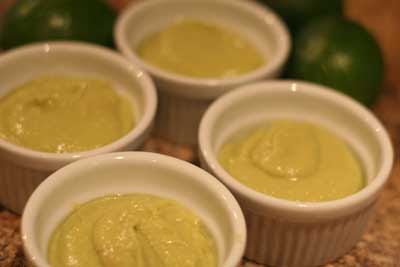
avocado creamAvocado cream is a great dessert made from the simplest ingredients. The first time that I had this dessert was in Belo Horizonte in Brazil's Minas Gerais state. It is mildly sweet in flavor. In addition to being a great finish to a meal, it is also great baby food sans the port of course.
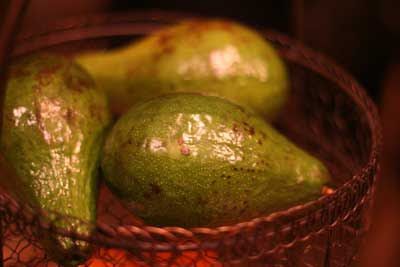
Ingredients:
3 avocadosavocados
juice of 1 lime
1/2 cup sugar
pinch of sea salt
6 tbsp milk
2 tbsp port wine (optional)

Preparation:
  1. Cut the avocados in half and remove the seeds.
  2. In a large bowl, scoop out the flesh of the avocados and chop it into medium size pieces.
  3. Cover the avocado with the sugar and the lime juice.
  4. Chill for 20 minutes.
  5. Put the avocado, milk, and salt into a food processor and blend until the mixture is smooth.
  6. Pass the mixture through a sieve. You will need to press it through the mesh using the back of a spoon.
  7. Stir the port into the mixture (if you choose to use it) and distribute it in dessert glasses.
  8. Chill for at least an hour before serving.
Related Articles / Posts:
Boost metabolism with breakfast

Brazilian Flag Brasil

Monday, January 17, 2011

Pão de Queijo Recipe

Pão de Queijo is a popular breakfast item in Brasil. They are popular throughout the country and can be purchased in restaurants, road-side stands, and from vendors on the beach. This recipe uses tapioca flour which has finer grain than regular all-purpose flour and gives this bread a light texture. If you find it difficult to locate tapioca flour near you, you can use winter flour in order to achieve similar results.
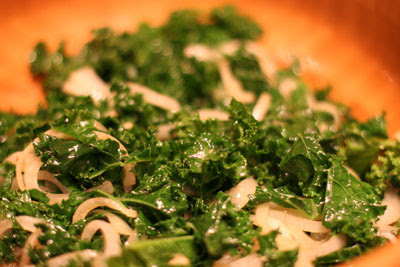
Ingredients:
4 tbsp canola oil
6 tbsp water
pinch of sea salt
1 and 2/3 cups tapioca flour
1 egg, beaten
6 tbsp plain yogurt. I use Greek Gods Yogurt
1/2 cup Parmesan cheese.

Preparation:
  1. Preheat oven to 450 degrees Fahrenheit.
  2. Sift tapioca flour into a large mixing bowl.
  3. Add oil, water, and sea salt to a saucepan over medium high heat. Heat this mixture until it begins to boil.
  4. Pour mixture from step #3 into the mixing bowl and mix with flour using a wooden spoon.
  5. Alow mixture to cool for about 5 minutes. Then add egg to the mixing bowl and mix it into the dough.
  6. Next, add the yogurt and Parmesan cheese to the bowl and mix these last two ingredients into the dough.
  7. Grease your hands with some canola or olive oil and then roll the dough into small balls. This recipe should yield between 12 and 15 balls.
  8. Place the balls on a greased baking sheet and place them in the oven and reduce the heat of the oven to 350 degrees. Bake for 25 to 30 minutes.
  9. Serve hot.
Brasil

Wednesday, December 15, 2010

Couve Recipe

Couve a Mineira
Couve is a healthy side dish that goes well with most meals. The kale, onions, and garlic are all rich in vitamins and nutrients. In addition, couve is easy and economical to prepare. Try couve with picanha, ropas vieja, or carnitas.

Ingredients:
1 pound of kale or collard greens
2 garlic cloves, minced
1 onion, diced
4 tbsp olive oil

Preparation:
  1. Rinse the kale in water. Then remove the stems. Roll the leaves tightly together and cut into strips. Set strips aside for later.
  2. In a skillet, heat the olive oil over medium heat.
  3. Add the onions and garlic. Cook until onions become clear and translucent in color.
  4. Add the kale to the skillet. Toss the kale to coat the leaves. Cook the kale until it is tender but not overcooked (about 4 to 5 minutes).
Brasil

Thursday, September 30, 2010

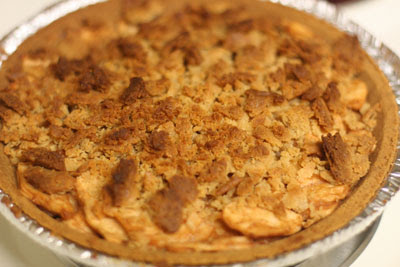
Torta de Maça Recipe (Apple Pie)

Torta de MaçaFor this Torta de Maça Recipe, you can use two store bought graham cracker crusts or make two crusts from scratch if you like your crust less sweet.
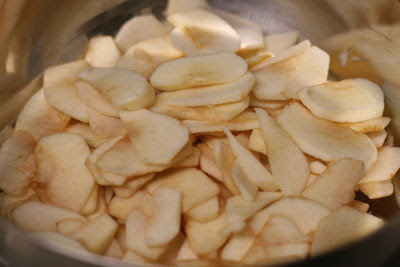
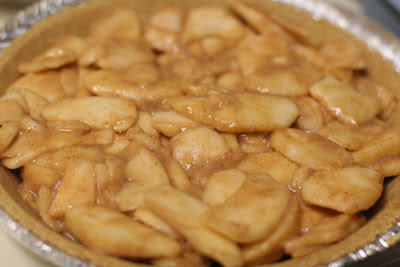
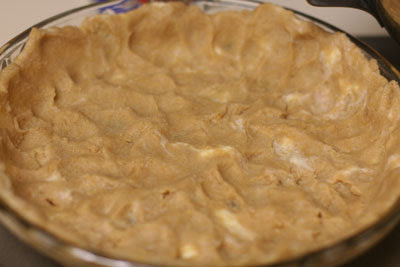
Fresh apples are the key to this recipe so we usually make this dish during the Autumn months. For this pie, we bought a half peck of grade 2 McIntosh apples from a nearby orchard, Iron's Fruit Farm.

This recipe departs from a standard apple pie recipe in that it uses condensed milk to give the apple filling a sweet, creamy texture. I also use a modified pie crust recipe to make the sweet, crumbly topping.

This recipe for Torta de Maça makes two tortas (pies).

Ingredients:
2 store bought graham cracker crust pie shells or make your own pie crusts.

Filling
8 McIntosh apples
1/2 cup sugar
2 tspn cinnamon
3 tbsp condensed milk
1/4 cup flour

Topping
1 1/4 cup flour
pinch salt
3 tbsp condensed milk
1/2 cup butter, cut into 1/2 tbsp pieces
1 egg
2 tbsp brown sugar

Preparation:
  1. Peel and core each of the apples and slice them into very thin slices.
    apple slices
  2. Place apple slices in a large bowl and add the sugar, cinnamon, condensed milk, and flour. Mix these ingredients together so that all of the apple slices are well coated.
  3. Pour the apple mixture into the pie crusts so that they are distributed equally.
    apples
  4. Next, bake another pie crust similar to the recipe in the previous post. Follow this recipe and add 3 tablespoons of condensed milk and 2 tablespoons of brown sugar to the dough and then bake.
    crust
  5. After 20 to 25 minutes, remove the crust and let cool. Pour the crust into a large bowl and break up the crust into smaller pieces.
  6. Top both of the two pies equally with these pieces.
  7. Bake for 45 minutes at 350 degrees Fahrenheit.
  8. Remove from oven and let cool.
  9. Top with whip cream with ice cream on the side.
Brazilian flag Brasil

Wednesday, August 11, 2010

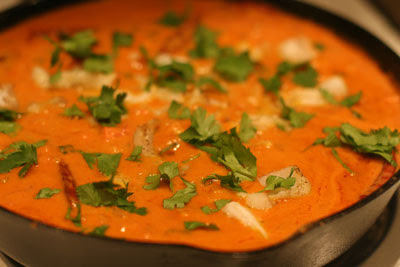
Vatapá Recipe

VatapaThe first time that I tried vatapá was at a small, hill side cafe in the city of Salvador located in Brazil’s Bahia State. In addition to an amazing view of the Atlantic Ocean, Café du Mar featured a wide array of classic Bahian dishes. Many of these, including vatapá, had African influences such as coconut, chilies, manioc flour, bananas, and palm oil.
Vatapa has a sauce rich with the flavors of land and sea. The flavor of the fish and shrimp are a perfect complement to the earthy flavors of ginger and peanut. It is a great stand-alone meal served over rice and it also works as a hearty side dish.

Ingredients:
1 pound of Tilapia or Cod fillets
1/4 cup shrimp powder

4 tablespoons of olive oil
Kosher Salt
Ground black pepper
¼ cup of chopped green onions (about 3 green onions)
1 medium yellow onion, diced
1 tbsp of fresh ginger, chopped
2 cups of chopped Roma tomatoes
1 can of tomato sauce (15 ounces)
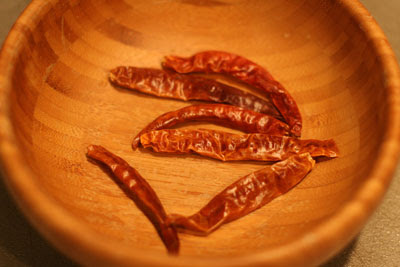
6 dried red chilis
chilis
1 cup of coconut milk
½ cup of chopped cashew nuts
1 cup of smooth peanut butter
3 cloves of diced garlic
1 tablespoon of palm oil
¼ cup of fresh cilantro, chopped
1 cup of water

Preparation:
  1. Sprinkle a small amount of salt and pepper on the fillets. Saute the fish and shrimp in a large pot for about 4 minutes over medium heat. Try to flip the fish only once in order to keep the pieces from falling apart. Remove the fillets and shrimp from the pot and keep in the oven on warm.
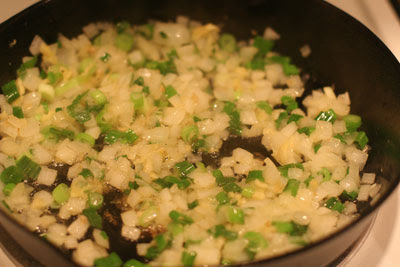
  2. Next, add green onions, ginger and the diced yellow onion to the pot and sauté for about 4 minutes.
    onions
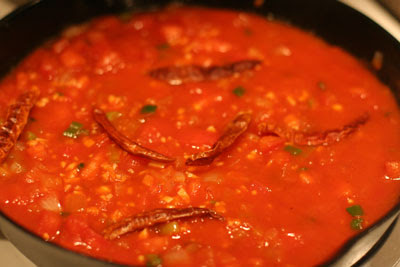
  3. Add the chopped tomatoes and simmer for about 5 minutes. Then add the can of tomato sauce. Simmer for 4 more minutes.
    vatapa
  4. Add the chilies, coconut milk, cashews, peanut butter, garlic, palm oil and water. Bring the mixture to a boil. Then reduce the heat to low and simmer for 20 minutes until the sauce has thickened.
  5. Cut the fish into 3 inch pieces. Add the fish and the shrimp back to the sauce. Avoid stirring the sauce too much in order to keep the pieces of fish intact.
  6. Add the cilantro and simmer for another 3 minutes.
  7. Serve over warm rice.
Suggested wine pairing: Oberon Sauvignon Blanc

Related Articles / Posts:
Increase your metabolism by eating chile peppers

Brasil

Saturday, July 10, 2010

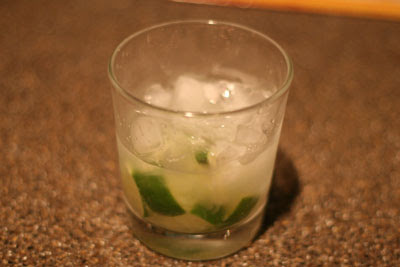
Caipirinha Recipe

caipirinhaThe Caipirinha is the Brazilian national drink. From the most exclusive restaurants in São Paulo to unlicensed vendors walking Copacabana Beach, you can buy this drink almost anywhere in Brazil. Caipirinhas feature the most basic ingredients, all of which come from Brazil. From the sugar and cachaça produced from Brazilian sugar cane to the fresh limes grown on coastal plantations this drink is Brazil.
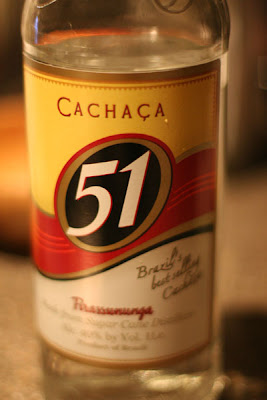
Cachaça is the most important ingredient in Caipirinhas but their is a great ongoing debate about which brand is the best. My favorite is Cachaça Salinas from the state of Minas Gerais. This brand is difficult to come by in the Unites States, however, so for this drink I had to settle for Cachaça 51 . If you want to learn more about cachaça, check out Cachacagora a comprehensive blog about this spirit.

Ingredients:
1/2 lime
1 shot of cachaça
1 heaping tbsp sugar
crushed ice

Preparation:
  1. Chop a half of a lime into medium sized pieces and put them into a tumbler glass.
  2. Using a wooden spoon, crush the lime pieces against the side and bottom of the glass.
  3. Pour a shot of cachaça into the glass.
  4. Pour a heaping table spoon of sugar into the glass and stir.
  5. Add enough crushed ice to fill the glass to 3/4 of the way to the top of the glass.
  6. Stir and serve.
51 cachaca

Related Posts / Recipes:
Caipiroska de Kiwi
Batida de Maça

Brasil

Friday, July 2, 2010

Brigadeiro Recipe


Brigadeiro is a famous Brazilian dessert that is often served at birthday parties. I was first introduced to Brigadeiro by 3 Brazilian exchange students that came to visit me in Chicago. While I was at work, they went to the convenient store on the corner and bought all of the ingredients that they needed to make this dish. If you like the taste of chocolate and caramel, you will love Brigadeiro.

Ingredients:
14 oz. can condensed milk
1 tbsp butter
3 tbsp cocoa powder
confection sugar or chocolate sprinkles

Preparation:
  1. In a saucepan over medium heat, stir together condensed milk, butter, and cocoa.
  2. Keep stirring until bottom of the pan is visible. This usually takes about 10 to 15 minutes.
  3. Pour onto a small greased pan or bowl and then refrigerate for about 2 hours.
  4. Remove the mixture from the refrigerator and oil your hands with olive oil or butter and then roll the mixture into small balls.
  5. Roll each ball in a bowl of chocolate sprinkles or confection sugar and then place it on a plate or in a paper wrapper.
Brazilian flag Brasil

Thursday, June 10, 2010

Farofa Recipe

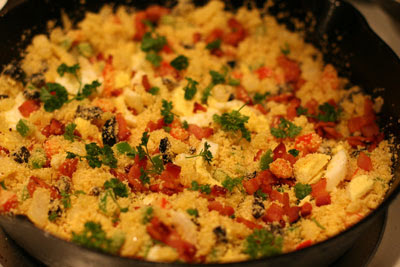
Farofa Rico
The first time that I tried farofa was in Rio de Janeiro at a cliff side restaurant overlooking the Atlantic Ocean. The texture is unlike most foods found in North America in that it is between granular and powdery. Farofa is a popular side dish in Brazil and is often served as a complement to beans.

Farofa's main ingredient is manioc flour. Manioc is also known as cassava or yuca and can be found in most Latin or African markets. It has a long shelf life as long as you keep it in an air-tight container. It also has an interesting history in how it came to be popular with the indigenous people of Brazil and also how it later came to be loved by the Portuguese colonists as well. If you would like to learn more about it and other aspects of Brazil, check out A death in Brazil, by Peter Robb.

You can find many varieties of this dish in Brazil depending on what ingredients are abundant in that particular region and also depending on the time of year. As such, you can always make some form of farofa depending on what ingredients you have on hand at the time.

Ingredients:
1/4 pound bacon
4 tbsp butter
1 tspn palm oil (optional)
1 cup manioc flour
5 large black olives, chopped
1 hard boiled egg, chopped
salt and pepper to taste
1/2 of yellow onion, diced
1/4 of green pepper, diced
1/4 of red pepper, diced
1 clove of garlic, minced
parsley, stems removed and chopped

Preparation:
  1. Add bacon to skillet over medium heat. Cook bacon until crisp. Remove bacon and set aside. Discard 3/4 of bacon fat.
  2. Add butter and palm oil to skillet over medium heat to melt the butter.
  3. Add onions and garlic to the skillet. Cook for 3 minutes.
  4. Add red and green peppers to the skillet. Cook for 3 minutes.
  5. Add manioc flour to the skillet. Cook for 3 minutes.
  6. Add the black olives, hard boiled egg, parsley, and crispy bacon to the skillet.
  7. Stir all of ingredients together and reduce heat to low until you are ready to serve.
Brazil Flag Brasil

Monday, May 24, 2010

Picanha

sliced Picanha
Picanha is made from the tri-tip (also known as rump-cap or rump cover) and is considered the best cut of beef available in many South American countries. Here in the United States tri-tip is often divided up among other cuts for pricing reasons. However, you can find tri-tip at many butchers or you can pre-order a custom cut.

If you go to a Brazilian churrascaria (or steak house) like Boi na Braza, Fogo de Chao, or Texas de Brazil, you will find picanha in abundance. The first time that I tried this dish was at a churrascaria in Rio de Janeiro called Porcão
. I haven't been able to duplicate the taste of the picanha at Porcão but this recipe comes close.

The preparation of picanha is very simple using only a few ingredients. After the picanha has been cooked, you can use the remaining juices in the skillet to make a dark rich gravy that goes well with potatoes. You can use the gravy recipe described in the recipe for Loco Moco under preparation (step #6). I also like to serve this with the Brazilian vinaigrette relish.

Some recommended sides include:
Couve
Farofa
Cuban Black Beans


Recommended Equipment:
cast iron skillet

Ingredients:

1 to 2 pound tri-tip
3 tbsp olive oil
1 tbsp kosher salt
4 cloves garlic, chopped

Preparation:
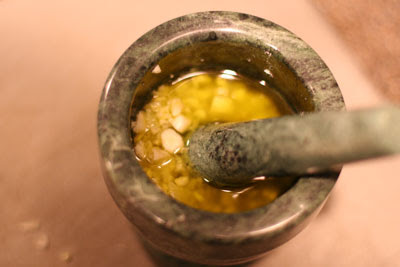
  1. In a mortar, combine the garlic, salt, and olive oil.
  2. Crush these ingredients into a paste.
    marinade
  3. In a large bowl, apply the paste evenly on both sides of the meat. Let sit at room temperature for 1 hour.
    Picanha marinating
  4. Preheat oven to 350 degrees Fahrenheit.
  5. After oven reaches 350 degrees, put cast iron skillet (greased in olive oil) in oven for 15 minutes.
  6. While skillet gets hot, turn stove top burner to medium - high.
  7. Remove skillet from the oven and place on pre-heated stove top burner.
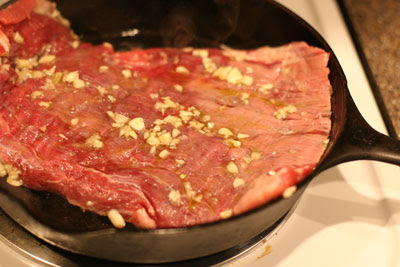
  8. Put picanha in the skillet and cook for 2 minutes.
    Picanha in skillet
  9. Flip picanha and cook for another 2 minutes.
  10. Cover skillet with aluminum foil and place in oven for 25 minutes. (Do not cut into picanha to check if it is done).
  11. After 25 minutes, remove the skillet from the oven and let the picanha rest for 10 minutes before you cut into it. Cut the meat perpendicular to the striations in the meat (see below) as this will provide more tender cuts of meat.
    Picanha cooling
Need a wine to go with the Picanha? Try this one: Main Street Winery Cabernet Sauvignon

Brazilian Flag
Brasil